Newsletter Subscribe
Enter your email address below and subscribe to our newsletter

 ByJohn A
Regular home maintenance is essential for keeping a property safe, functional, and comfortable throughout the year. In Canada, changing weather conditions, including freezing winters, seasonal rainfall, and summer heat, can gradually affect different parts of a home. Small issues such as loose door handles, damaged caulking, peeling paint, and minor fixture problems may seem unimportant initially, but neglecting them can lead to more complicated repairs.
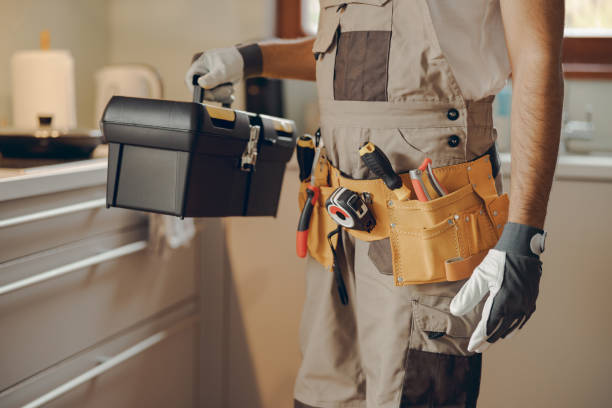
Hiring a handyman service in Canada can help homeowners manage routine maintenance tasks, identify developing problems, and keep their properties in good condition. From repairing household fixtures to maintaining doors, windows, and interior surfaces, a handyman can assist with a variety of everyday property needs. Understanding these benefits helps homeowners plan maintenance more effectively and protect their investment over time.
One of the main benefits of routine maintenance is the opportunity to address minor issues before they become more serious. Everyday wear and tear can affect many areas of a home, especially those used frequently.
Loose handles, cracked sealant, damaged trim, dripping taps, and small holes in walls are examples of issues that may require attention. Although these problems might not immediately affect the entire property, leaving them unresolved can cause further inconvenience or deterioration.
A handyman can inspect accessible areas, identify visible maintenance concerns, and complete suitable repairs. Early intervention helps homeowners manage problems before they require more extensive work.
Doors, cupboards, hinges, locks, shelves, and bathroom fittings experience regular use. Over time, screws may loosen, components may become misaligned, and fittings may require adjustment.
Routine checks and minor repairs help keep these features working properly. Maintaining household fixtures also reduces the likelihood of unexpected failures that disrupt daily activities.
Canadian homes experience different seasonal conditions that can affect exterior surfaces, seals, fixtures, and other building components. Routine maintenance helps homeowners prepare their properties for these changes.
Temperature differences between indoor and outdoor environments can make gaps around doors and windows more noticeable. Worn weatherstripping, deteriorated caulking, and loose fittings may allow unwanted air to enter the home.
A handyman can assess visible gaps and replace suitable seals or damaged caulking where appropriate. These improvements may help reduce drafts and support more consistent indoor comfort.
Before winter arrives, homeowners should pay attention to loose railings, damaged steps, deteriorating exterior trim, and other visible maintenance concerns. Snow, ice, and freezing temperatures can make existing problems more difficult to address.
Completing suitable repairs before severe weather helps maintain the property’s condition and reduces the risk of certain seasonal maintenance issues becoming urgent.
Maintaining a home involves numerous small tasks that can accumulate over weeks and months. Busy homeowners may find it difficult to complete these jobs alongside work, family responsibilities, and other commitments.
Instead of handling each minor problem separately, homeowners can prepare a list of maintenance tasks and arrange for suitable work to be completed during a planned visit.
For example, one maintenance session might include adjusting a sticking door, repairing a loose cupboard hinge, replacing damaged caulking, and patching a small area of drywall.
Grouping compatible tasks can reduce the effort involved in organising repairs and help homeowners address several outstanding issues together.
Small jobs are easy to postpone because they may not appear urgent. However, a growing list of unfinished repairs can make property maintenance more difficult to manage.
A regular maintenance schedule provides an opportunity to review outstanding tasks and prioritise those that affect safety, functionality, or the condition of the property. This approach helps prevent minor maintenance responsibilities from accumulating unnecessarily.
Routine maintenance can help identify certain hazards that may otherwise go unnoticed. Loose fittings, damaged steps, unstable railings, and poorly secured fixtures can create risks for household members and visitors.
Handrails and steps should remain stable and suitable for everyday use. Loose connections, damaged surfaces, and deteriorating materials may increase the risk of trips or falls.
A handyman can address appropriate minor repairs and identify problems that require a qualified specialist. Structural deterioration or significant damage should receive the necessary professional assessment rather than being treated as a simple maintenance task.
Doors that do not close properly, loose handles, damaged cupboard fittings, and unstable shelves can affect convenience and safety.
Regular adjustments and repairs help keep these features functional. Homeowners should also ensure that any work involving electrical systems, gas lines, major plumbing, or other regulated tasks is handled by appropriately licensed professionals when required.
A property’s appearance can deteriorate gradually through everyday use. Scuffed walls, peeling paint, damaged drywall, and worn trim may make rooms look neglected even when the rest of the home is well maintained.
Small holes, surface cracks, and minor drywall damage can develop when furniture is moved, fixtures are installed, or walls experience normal wear.
A handyman can repair suitable surface damage and prepare affected areas for repainting. Addressing these issues helps maintain a cleaner interior appearance and prevents minor cosmetic problems from remaining unresolved.
Painted surfaces and decorative trim require occasional attention, particularly in busy areas such as hallways, kitchens, and entrances.
Routine maintenance may include touching up paint, securing loose trim, adjusting cupboard doors, and repairing minor fixture problems. These tasks help preserve the home’s appearance without requiring extensive renovation.
However, peeling paint or recurring surface damage caused by moisture should be investigated before cosmetic repairs are completed.
See also: When Should Businesses Use IT Equipment Relocation Services?
A home contains many interconnected components, and the condition of one area can affect another. Regular maintenance helps homeowners monitor visible changes and respond before problems spread.
Moisture around windows, bathroom fittings, basements, and other vulnerable areas can contribute to deterioration. Damaged caulking, visible leaks, and persistent damp patches should not be ignored.
A handyman may be able to repair minor, accessible maintenance issues, such as deteriorated sealant. However, persistent moisture, extensive mould, hidden leaks, or signs of structural damage may require specialised investigation.
Identifying the underlying cause is important because simply covering damaged surfaces may allow the problem to continue.
Routine attention to doors, windows, interior fittings, accessible exterior features, and other household components helps keep them in usable condition.
Although maintenance cannot prevent every type of damage, it allows homeowners to monitor wear and respond appropriately. Keeping records of completed repairs can also help identify recurring problems and support future maintenance planning.
Unexpected repairs can interrupt daily routines and create additional pressure for homeowners. A planned approach makes it easier to identify upcoming maintenance needs and organise work according to priority.
A seasonal checklist can help homeowners remember tasks that need attention at different times of the year.
For example, spring may be suitable for checking exterior trim and inspecting visible winter damage. Summer can provide an opportunity to maintain decks, fences, and outdoor fixtures. Autumn is useful for addressing suitable weatherproofing issues before winter conditions arrive.
During winter, homeowners can monitor interior fixtures, drafts, and accessible areas for signs of damage while avoiding unsafe outdoor work during severe weather.
Not every maintenance task requires immediate attention. Problems involving safety, active water leaks, or rapidly worsening damage should take priority over purely cosmetic improvements.
A handyman can help complete appropriate routine tasks, while more complex problems can be referred to qualified tradespeople. This distinction helps homeowners organise maintenance according to the nature and seriousness of each issue.
Routine maintenance is also important for landlords and property managers responsible for keeping rental homes in suitable condition.
When tenants move out, properties may require minor repairs such as patching wall holes, adjusting doors, securing loose handles, or touching up damaged paint.
Completing these tasks before new occupants arrive helps prepare the property for its next tenancy and makes it easier to identify any larger repairs that may be necessary.
During a tenancy, small issues can develop through normal use. Having a clear process for reporting and addressing suitable maintenance tasks helps property managers keep the home functional and organised.
However, urgent issues and repairs requiring licensed tradespeople should be handled according to their specific safety requirements and applicable provincial or territorial regulations.
Hiring a handyman service in Canada for routine maintenance can help homeowners prevent minor problems from worsening, improve household safety, maintain interior and exterior features, and manage repairs more efficiently. Regular attention to fixtures, doors, windows, surfaces, and seasonal maintenance needs also supports the long-term condition of the property.
The most effective approach is to create a practical maintenance schedule, address developing problems early, and prioritise tasks according to their urgency. By combining routine handyman work with qualified specialist services when necessary, homeowners can keep their properties functional, comfortable, and better prepared for Canada’s changing weather conditions.