Newsletter Subscribe
Enter your email address below and subscribe to our newsletter

 ByJohn A
Golf does not stop when summer ends. Early tee times in spring, breezy afternoons in autumn, and mild winter days all bring players to the course, and many of them arrive underdressed. For a pro shop, that is an opportunity. A golfer who feels a chill on the front nine is a motivated buyer by the turn.
This article looks at how club and pro shop buyers can build a cool-weather assortment that suits the sport, appeals to members, and stays manageable to stock.
Golfers need clothing that lets them swing freely. Restricted shoulders or bulky sleeves affect their game, and they notice immediately. At the same time, golfers walk, ride, wait, and stand, so temperature comfort shifts constantly through a round.
Keep these points in mind when selecting stock:
A good cool-weather range consists of a handful of pieces that work together, rather than a large collection of unrelated items.
Wind affects ball flight and comfort alike, so a light shell is a practical staple. Pro shops that run member-branded programs, tournament gifts, or staff uniforms often explore a wholesale windbreaker jacket option, since buying consistent styles in volume makes it easier to add a club logo and keep sizes available. Review the fabric and fit details before ordering, and test a sample with a few members who play regularly.
Many golfers prefer to keep their arms unrestricted in colder weather. A vest provides warmth where it counts and leaves the swing unaffected. A puffer vest is the kind of piece that suits this need, and it works as a standalone layer over a long-sleeve shirt or under a shell when conditions worsen. Display it with sample outfits so golfers can picture how it looks with their usual clothes.
Add a few smaller pieces that round out the range: lightweight base layers, gloves for cold hands, and simple headwear. These items are easy to sell alongside outerwear.
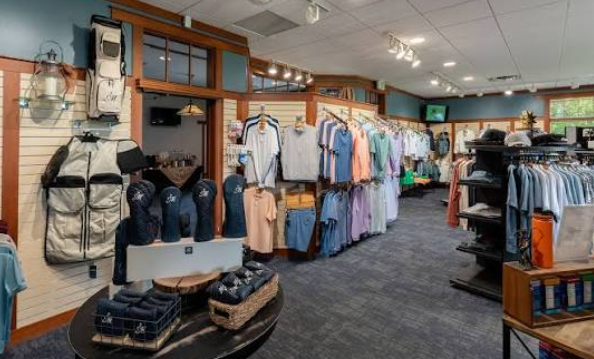
The pro shop is often the last stop before the first tee, so presentation matters.
Staff can help by asking quick questions: “How cold does the morning feel?” or “Do you tend to run warm?” The answer guides them to a good recommendation.
Clubs have unusual selling opportunities that general retailers lack. Tournaments, member-guest events, and charity days all create demand for matching or coordinated apparel. Consider:
Plan ahead for these events. Custom items take time, and being able to promise delivery by a given date makes it easier to win business.
Golf apparel sales follow a seasonal rhythm, and the transitional months can be unpredictable. A few habits help.
Golfers value honesty. If a garment is designed for light protection rather than harsh weather, say so. Do not make performance claims you cannot support. Accurate information builds trust, and trust brings members back to the shop.
A cool-weather range gives a pro shop something to sell during months that might otherwise be quiet. Focus on layers that respect the golf swing, display them in outfit combinations, and take advantage of club events for custom orders. Golfers who stay comfortable play longer, and a comfortable round is good for everyone.