Newsletter Subscribe
Enter your email address below and subscribe to our newsletter

 ByJohn A
Improving a home can make everyday life more comfortable, organized, and enjoyable. However, many families assume that home improvement requires a large budget or professional renovation. In reality, small updates can make a noticeable difference when they address practical needs.
From refreshing walls and improving storage to rearranging furniture and upgrading lighting, there are many ways to improve a living space without spending more than necessary.
Before buying supplies or furniture, identify the areas that need attention. A room may feel crowded because of its layout rather than its size. A kitchen may need better organization instead of new cabinets.
Walk through your home and make a short list of improvements. Separate essential repairs from decorative changes, then decide which tasks you can complete yourself and which require professional help.
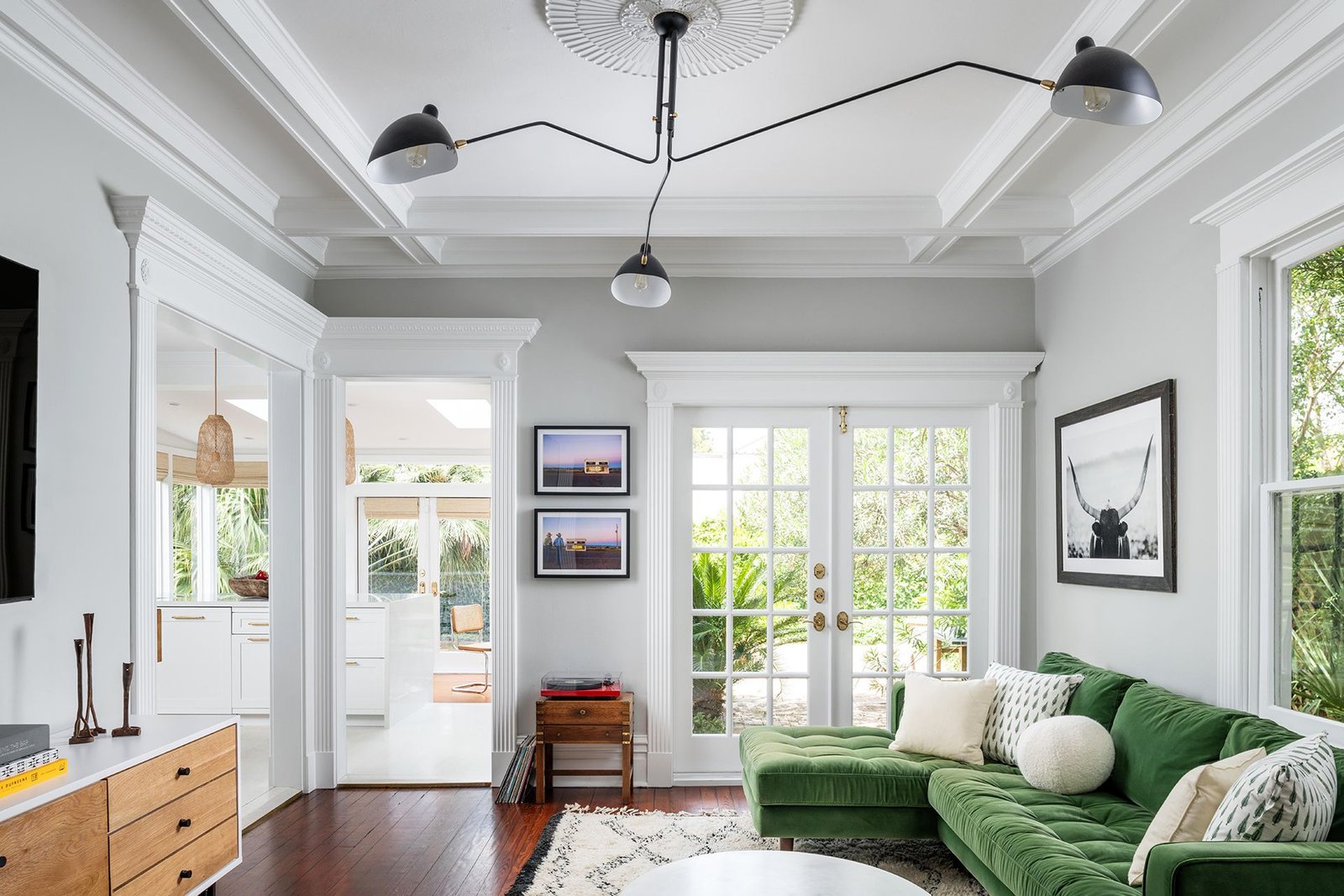
If you need ideas for planning practical upgrades, affordable home design ideas can provide inspiration for making living spaces more attractive and useful.
Painting is one way to change the appearance of a room without replacing furniture. A fresh coat can make a space feel cleaner and brighter.
Neutral shades can provide a flexible background for different decorating styles, while an accent wall can introduce color without requiring an entire room to be repainted.
Prepare surfaces carefully before painting and use products suitable for the intended surface. Always follow product instructions and ensure appropriate ventilation during the work.
Sometimes, the easiest improvement is to use what you already own. Rearranging furniture can improve movement, create more usable space, and make a room feel different.
Avoid blocking doorways or windows. Leave enough room to walk comfortably between furniture pieces, and position seating to support conversation or the activities that matter most to your family.
Before purchasing new items, consider whether furniture from another room could serve the same purpose.
Clutter can make even a spacious room feel uncomfortable. Affordable storage solutions can help keep frequently used belongings organized.
Use baskets for blankets and toys, drawer organizers for small items, and shelves for books or decorations. Clear containers can be helpful when you need to identify stored items quickly.
In children’s rooms, keep everyday toys accessible and store less frequently used items separately. In shared areas, encourage everyone to return belongings to their proper places.
Lighting affects how a room looks and functions. Replace unsuitable bulbs with options that provide appropriate brightness and color temperature for each space.
Use task lighting in reading areas, kitchens, and workspaces. Table lamps can create a relaxed atmosphere in living rooms and bedrooms.
Where possible, make better use of natural daylight by keeping windows clean and avoiding unnecessary obstructions. Choose energy-efficient lighting where it suits your needs.
A kitchen does not always need a full renovation to become more useful. Begin by clearing unnecessary items from counters and organizing cupboards according to how frequently things are used.
Drawer dividers, labeled containers, and hooks installed safely in suitable locations can help make cooking more convenient. Cleaning cabinet handles and replacing worn hardware may also refresh the room’s appearance.
Before making changes, consider how your household prepares meals and stores food. Improvements should support your actual routine.
Home improvements should make daily life easier for everyone in the household. Families can create flexible spaces that support homework, hobbies, relaxation, and play.
A small table can become a homework station during the week and a craft area on weekends. A corner with comfortable seating can provide space for reading or quiet activities.
Families looking for everyday inspiration can explore family-friendly living for ideas related to family life, activities, and making ordinary home routines more enjoyable.
If you have a balcony, patio, or small garden, consider simple ways to make it more inviting. Clean the area, arrange existing seating, and add suitable plants in containers.
Choose plants based on local weather, available sunlight, and the time you can spend caring for them. Keep pathways clear and select outdoor furniture that can withstand the conditions in your area.
Even a small outdoor space can become useful for reading, relaxing, or spending time together.
Decorative updates are valuable, but essential repairs should come first. Address leaks, damaged electrical components, unstable railings, and other safety concerns promptly.
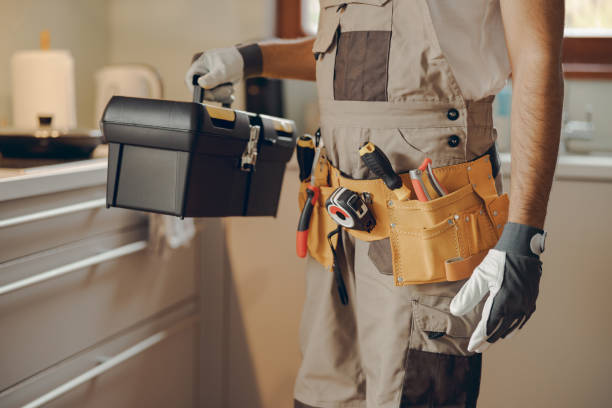
Some tasks, especially those involving electrical wiring, gas, structural changes, or significant plumbing work, should be handled by qualified professionals.
Set aside part of your budget for unexpected costs so that an affordable project does not become financially stressful.
Affordable home improvement is about making thoughtful changes that improve comfort, organization, safety, and everyday functionality. Painting, rearranging furniture, improving storage, and updating lighting can all help refresh a home.
Choose projects according to your family’s needs and budget. By prioritizing useful improvements and completing them gradually, you can create a welcoming living space without committing to a costly renovation.