Newsletter Subscribe
Enter your email address below and subscribe to our newsletter

 ByJohn A
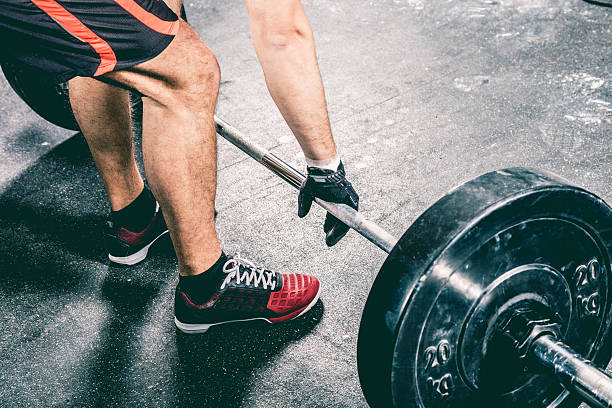
Heavy squats demand more than muscular strength. Every repetition requires coordination between the feet, ankles, knees, hips, and torso while the lifter controls a loaded barbell. Footwear plays an important role in this process because it determines how the feet interact with the floor and how consistently the lifter can maintain a stable position.
For athletes working toward stronger squats, weightlifting shoes can be a useful equipment upgrade. Unlike many running shoes, which feature compressible cushioning, dedicated weight lifting shoes typically provide a firm sole and a structured heel. These characteristics can help create a consistent platform for loaded movements.
However, the right shoe depends on the individual. Some lifters benefit from an elevated heel, while others prefer a flatter platform. Stance, ankle mobility, squat technique, and personal comfort all influence the decision.
The goal is not simply to buy a specialised shoe. It is to find footwear that supports your preferred squat mechanics and provides a secure, repeatable base under load.
This guide explores how weightlifting shoes affect squat positioning, which features matter most, how to compare different designs, and what to consider before investing in a pair.
A squat involves coordinated movement throughout the body, but the feet provide the foundation for the entire lift. If your footwear compresses excessively, slips on the floor, or does not suit your stance, it may become harder to maintain a consistent lifting position.
During a heavy squat, the lifter needs to control the load while maintaining balance over the feet. A firm shoe platform can help reduce the feeling of instability that may occur when standing on a soft, compressible midsole.
Running shoes are generally designed with cushioning for repeated strides. That cushioning can feel comfortable during cardio but may compress under heavy loads, depending on the shoe’s construction.
Dedicated weightlifting shoes usually prioritise firmness and support over softness. This can provide a more predictable surface for squats, although it does not guarantee better performance.
The lifter must still maintain appropriate foot pressure, control the descent, and use a load that matches their technical ability.
Squat technique varies between individuals. Some lifters use a narrower stance, while others squat with their feet farther apart and toes turned outward.
A suitable shoe should accommodate your natural stance without forcing your feet into an uncomfortable position. The outsole should provide reliable contact with the training surface, while the upper should secure the foot without excessive pressure.
If your footwear makes you feel as though your feet are shifting inside the shoe, reassess its fit and fastening system before increasing the load.
Consistency is important when practising heavy squats. Using footwear that feels predictable from one session to the next can help you focus on technique rather than distractions caused by an unstable or uncomfortable platform.
This does not mean lifting shoes automatically make heavy squats safer. Appropriate programming, sound technique, adequate recovery, and suitable supervision remain essential.
One of the main differences between dedicated weightlifting shoes and general trainers is the construction of the heel and sole.
Many weightlifting shoes feature a raised heel that changes the angle between the foot and the floor. This can help some lifters move into a deeper squat while keeping the torso more upright.
An elevated heel may be particularly useful for people whose ankle mobility makes it difficult to move the knees forward sufficiently during a squat while keeping the heels planted.
However, the effect varies according to body proportions, stance, mobility, and squat style. A raised heel is not a universal solution for restricted movement, and it should not be used to ignore persistent pain or an underlying mobility problem.
If you currently squat comfortably in flat footwear, you may not need a raised heel. Consider testing different heel heights with lighter loads before making a change to your regular training shoes.
A firm midsole can reduce unwanted compression under the barbell. This allows the shoe to maintain its shape more consistently as the lifter descends and rises.
Some lifting shoes use rigid thermoplastic polyurethane (TPU) components, while others use alternative materials or construction methods. Material alone does not determine quality; the overall platform, heel structure, outsole, and fit all matter.
A stable shoe can support consistent contact with the floor, but the lifter must still control the bar path and maintain balance throughout the repetition.
Even a firm shoe may feel unstable if the foot moves excessively inside it. Laces, straps, and a well-shaped upper help hold the foot in place.
When evaluating a pair, check that the heel stays secure during the descent and that the midfoot feels supported without being squeezed. The toes should have enough space to spread naturally.
The ideal fit is secure rather than restrictive. Tightening the laces excessively to compensate for the wrong shoe shape is unlikely to provide a satisfactory long-term solution.
Not every weightlifting shoe has the same heel height, platform width, or fastening design. Compare these characteristics according to your needs.
Heel-to-toe drop describes the height difference between the heel and forefoot. Dedicated lifting shoes often have a more elevated heel than flat training shoes, but the amount varies by model.
A higher heel may help some lifters maintain their preferred squat position. Others may find a lower elevation more comfortable or better suited to their technique.
Rather than choosing the highest heel available, consider how the shoe feels during your normal squat depth and stance.
A sufficiently broad platform can help provide a consistent base, while a suitable outsole can reduce unwanted slipping on the training floor.
Platform width should complement your foot shape and stance. An excessively wide shoe may feel cumbersome for a lifter with narrow feet, while a narrow platform may not feel comfortable for someone who needs more room.
Check the outsole for a suitable tread pattern and inspect it regularly for wear. Dust, moisture, and damaged rubber can affect grip even when the shoe originally provided good traction.
A secure fastening system helps keep the foot positioned over the platform. Many dedicated lifting shoes combine laces with one or more adjustable straps.
The benefit depends on how well the system fits your foot. Look for secure heel positioning and even pressure across the midfoot, rather than assuming that additional straps automatically mean better support.
The toes should have enough space to sit naturally inside the shoe. A toe box that is too narrow can create pressure, while excessive space may allow unwanted movement during lifting.
Consider both the width and height of the toe box. If possible, try the shoes while standing and performing controlled bodyweight squats before using them for heavy training.
Your preferred squat variation can influence which shoe characteristics are most useful.
High-bar squats generally involve a more upright torso position than some low-bar variations, although technique varies between lifters.
Some athletes find an elevated heel useful because it can make the required ankle movement easier to achieve. This may be worth testing if you struggle to maintain your preferred depth while keeping your heels planted.
However, stance, proportions, and mobility still matter. A raised heel should complement your movement pattern rather than force you into a position that feels uncomfortable.
Low-bar squats often involve greater forward torso inclination and different hip mechanics from high-bar squats.
Some lifters prefer flatter footwear for this style, while others continue to use raised-heel lifting shoes. Neither choice is automatically correct for everyone.
Consider which footwear helps you maintain balance, control your descent, and reproduce your usual technique consistently. Test any change at manageable loads before using it during demanding sessions.
Front squats require the lifter to maintain the bar in a front-rack position while descending into a squat. A more upright torso and adequate ankle movement can be important for achieving the desired position.
Dedicated weightlifting shoes may suit athletes who regularly perform front squats, cleans, and related Olympic lifts. When comparing options from TYR US, consider heel elevation, sole rigidity, and overall fit to determine whether a particular model supports your lifting style.
If these movements are central to your training, compare shoes designed specifically for weightlifting rather than selecting footwear solely on the basis of its appearance or marketing claims.
The following comparison illustrates the main differences between common footwear choices for squats.
| Feature | Weightlifting shoes | Flat training shoes | Running shoes |
| Heel construction | Typically raised and firm | Usually low or flat | Varies, often cushioned |
| Under-load stability | Designed to provide a firm lifting platform | Can provide a stable base, depending on construction | Soft midsoles may compress under heavy loads |
| Squat positioning | May help some lifters achieve their preferred position | Suits lifters comfortable with a flatter base | Depends on the model; often not the first choice for heavy squats |
| Flexibility | Usually more rigid | Varies by design | Often designed around running movement |
| Best fit for | Dedicated lifting and squat-focused training | General strength training and lifters who prefer flat footwear | Running and cardio-focused activities |
A stable flat shoe can work well for many lifters, particularly when their technique and mobility suit a lower heel. Running shoes may be appropriate for cardio sessions but are not always ideal for heavy barbell work.
The most suitable option depends on your training goals and how your feet interact with the platform.
A higher heel can be helpful for some lifters, but it may feel unnatural for others. Choose an elevation that complements your movement rather than assuming a higher measurement guarantees a better squat.
Do not rely on shoe size alone. Different brands and models can vary in length, width, and internal shape.
Check heel security, toe room, and midfoot pressure. When purchasing online, consult the manufacturer’s size chart and confirm the return policy.
New shoes can change how a squat feels. Give yourself time to practise with them at lighter loads before using them for personal records or competition attempts.
This allows you to assess the heel height, stance, and overall fit without introducing unnecessary changes during a demanding session.
Weightlifting shoes may support positioning, but they cannot correct every technical problem.
If your heels lift, your knees move unpredictably, or you struggle to control the descent, assess the cause rather than assuming new footwear will resolve it. A qualified coach can help evaluate technique, mobility, and loading choices.
Begin with bodyweight squats or an empty barbell. Check whether your feet remain stable and whether the heel elevation feels appropriate.
Progress gradually as you become familiar with the new footwear.
Keep the outsole clean and dry, follow the manufacturer’s cleaning instructions, and inspect the heel, straps, and upper for damage.
Replace footwear when deterioration affects the fit, traction, or stability needed for training.
Dedicated lifting shoes may be useful for heavy squats and Olympic lifts, but they may not be comfortable for running or extended conditioning sessions.
If your programme includes multiple types of exercise, consider using different shoes for different activities when practical.
Weightlifting shoes can be a valuable addition to a squat-focused training routine when their design matches the lifter’s needs. A firm platform, appropriate heel elevation, reliable grip, and secure fit can help provide a consistent base during heavy barbell movements.
However, the right shoe is not necessarily the most expensive model or the one with the highest heel. Your squat variation, ankle mobility, foot shape, and personal preferences should guide the decision.
Compare different designs, test the fit with lighter loads, and give yourself time to adjust before using new footwear during demanding sessions. Keep technique, sensible programming, and appropriate recovery at the centre of your training.
The best weightlifting shoes are those that complement your squat mechanics, provide a stable platform, and allow you to train consistently and comfortably.