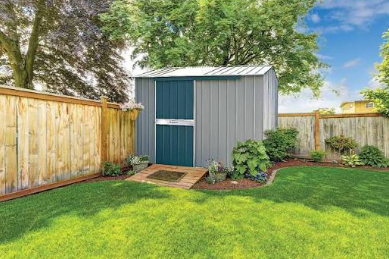

A shed delivery takes planning before the truck arrives. The building needs somewhere suitable to sit, and the delivery team needs a clear route to reach it. A narrow gate, soggy ground, or a low branch can complicate a job that looked straightforward when you placed the order. Before comparing storage sheds for sale, look at your yard as carefully as you look at the buildings. Preparing the space early gives you time to sort out access, drainage, and the base of the shed, without rushing just before delivery.
Getting Your Yard Ready for Backyard Sheds
Start with the intended location, and move backwards to the point of entry to your property. The following points will help you discuss the requirements with the seller and determine what needs to be done.
- Pick a Spot You Will Actually Use
The far corner of the yard may look tidy, but consider how you will get there. Carrying tools across wet grass or pushing a mower along a narrow path can become a nuisance.
Choose a location that suits your routine. Gardening supplies should be easy to reach from the garden. Bikes need a convenient route out. Leave space around backyard sheds for maintenance, and consider the best direction for the doors to face.
- Watch Where Rainwater Goes
Visit the proposed site after rain to check whether water collects there. Does a nearby downspout empty onto the ground?
Storage sheds need a site with suitable drainage. Before installing a base, consult with a water problem installer on how to handle any water issue. It may not be obvious where rainwater collects or which direction it drains and adding gravel can leave the problem unsolved.
- Mark Out the Building and Base
Use stakes and string to mark the proposed footprint. Walk around the marked area and check that there is enough space to open the shed doors fully. Check whether the building would block a garden path or leave an awkward strip beside the fence.
Confirm the required base dimensions with the seller before arranging materials. The foundation may need to extend beyond the building. Barn sheds and cottage sheds also need clearance for their full exterior dimensions, including roof overhangs.
- Clear the Ground and Prepare the Base
Move garden furniture, planters, firewood, and other things occupying the site space. Ask the person preparing the base which plants, debris, or soil need to be removed before work begins.
A base should be appropriate for the shed model and the ground beneath it. Sheds Direct identifies level concrete pads and leveled crushed stone among common preparations. Ask which arrangement is suitable for your chosen building, rather than copying another homeowner’s setup.
- Check the Entire Delivery Route
Measure gates, driveways and other acess points, then ask the delivery team what clearance their equipment needs.
Look upward as well. Branches and overhead obstacles can affect delivery access to barn sheds with taller roof profiles. Tell the team about slopes, sharp turns, soft ground, or a fence that may need temporary removal. Send photographs before delivery to clarify access.
- Confirm Permissions Before Site Work
Check local requirements and any homeowners association rules before clearing or excavating the site. Local rules may limit the shed’s size, where you can place it, and how you can use it.
If digging is required, arrange the appropriate utility checks first. Verify boundaries; don’t assume that they are set correctly based on an existing fence. Choose a spot for cottage sheds that meets local requirements and leaves room for access and maintenance.
.
Discuss Your Site With Sheds Direct
When reviewing storage sheds for sale with Sheds Direct, share photographs of the proposed location and delivery route. Ask what preparation your selected model requires and whether your access presents any concerns. Sheds Direct asks customers to prepare the site before the shed arrives. Sorting out these details gives you a clearer idea of the work to arrange before the building arrives.
Frequently Asked Questions
- Can backyard sheds go directly on grass?
Do not assume grass provides suitable support. Confirm the foundation requirements for your building with the seller. Ground condition, drainage, and the shed’s construction all need consideration before placement.
- Should I prepare the base before choosing a storage shed?
Select the model and verify the needs prior to purchase. The size and requirements of storage sheds vary. Choose your shed and confirm its base requirements before starting site work, so you won’t have to make changes later.
- Do barn sheds need extra delivery clearance?
Barn sheds may need extra delivery clearance, depending on height and delivery equipment. Share gate measurements and overhead obstacles with the delivery team. Ask them to confirm clearance for the specific model and route.
- Can cottage sheds sit beside a fence?
Possibly, but check applicable setbacks and leave access for maintenance. Consider roof overhangs, drainage, and doors before settling on the distance. A convenient location still needs adequate working space.
See also: When Should Businesses Use IT Equipment Relocation Services?
Final Thoughts
Preparing the yard for backyard shed means checking both where the shed will sit and how it will get there. Confirm the base requirements early, address drainage, and clear the agreed delivery route. Leave enough space around the building for opening doors and maintenance. Taking care of these details beforehand can help prevent unexpected delays when your shed arrives.