
A commercial door that sticks, closes too quickly or fails to open can disrupt the entire entrance. It’s tempting to replace the part that looks faulty and assume the problem is solved. But the issue may involve the operator, sensors, controls, or the door movement. Ordering a part without first identifying the door system could mean it won’t fit or won’t fix the problem. Before replacing commercial door hardware, check the door, the operator model and the issue with it. Accurate information at the start is important for the right hardware selection and determining whether or not a technician should be involved.
Start With the Door System You Have
Look for the manufacturer and model information on the door operator. If you have the installation guide or service manual, refer to it. These details can help the supplier identify the correct sliding door parts for your system. If the label is difficult to read, take a clear picture and send it to the supplier for reference.
Explain what happens when you use the door. Does it struggle to open, make an unusual noise or stop halfway? Does the problem happen every time or only at certain times of day? Mention when it started and whether anyone has recently repaired or adjusted the door.
Check What the Entrance Needs
The right choice for commercial hardware depends on the door and its usage. Before ordering, consider:
- Door Type And Movement
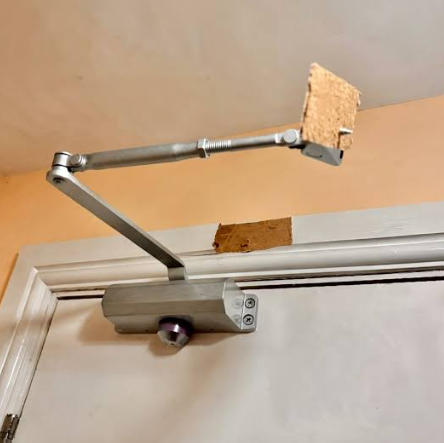
Check whether the door slides along a track or swings open on hinges. An automatic hinged door uses a swing door operator to open and close it. A sliding door needs an operator and parts suited to its track system. Identify your existing door type before choosing replacement parts.
- Traffic Through The Entrance
A main entrance often sees more traffic than a staff door. Tell the supplier where the door is installed and how frequently people use it. This helps them suggest parts suited to the door’s daily use.
- Activation Method
Check if the door opens through motion sensors, push plates, access controls, or another device. The replacement part should be compatible with the existing system.
- The Fault You’re Trying To Address
Specify whether the door does not open at all or opens normally but has trouble closing. These problems may have different causes. Find out what is causing the fault before replacing a part, or the same problem may continue.
Manufacturer documentation can help confirm which components are intended for a particular system. For example, manufacturers provide model-specific installation instructions and accessory information for their automatic door store products.
Know When to Call a Technician
Some replacement work involves more than removing one component and fitting another. The operator, activation devices and safety sensors may need to be checked as a system. If the door opens or closes unexpectedly, report it to the building manager and call a qualified door technician.
An automatic door technician training program can help installers and service technicians understand system requirements and safety checks. AAADM offers certification training for people working with automatic pedestrian doors. After installation, the door should also be inspected according to the applicable standards. AAADM recommends inspection immediately after installation and annually afterward.
How Automatic Door Store Can Help
Commercial door hardware by Automatic Door Store, can help you identify a compatible replacement. Share the operator model, a photo of the existing part, and a brief description of the problem. This gives the technicians a point from which they can verify compatibility with the product. In case you are not sure if you require replacement parts or an inspection by the technician, describe what the door does.
FAQs
- Can I replace one component of commercial door hardware without replacing the whole door?
A single component can be replaced, but it needs to match the existing door and operator. Check the model information and ask a supplier or technician to confirm compatibility before ordering.
- What information helps identify the right sliding door parts?
Knowing the model of the equipment is helpful. Pictures of the label on the part and pictures of the actual part, as well as the problem description, will also be helpful.
- Should a commercial door remain in use if it starts moving unpredictably?
If the door appears unsafe or is not operating as expected, follow your building’s safety procedures and have it checked by a qualified technician. Don’t assume that replacing a visible part will resolve the problem.
- Does a swing door operator work with any hinged door?
No. The operator must suit the door and entrance requirements. Check the product documentation and confirm the setup with a qualified technician or supplier.
See also: When Should Businesses Use IT Equipment Relocation Services?
Summing Up
Replacing commercial door hardware starts with identifying the door system and understanding what has changed in its operation. Verify the model, find the problem and confirm that the new parts are compatible. In problems that involve the operator, the sensors, or uncontrolled movement, it would be wise to have a professional inspection first before reusing the entrance.