Newsletter Subscribe
Enter your email address below and subscribe to our newsletter

 ByJohn A
A well-designed interior is not just about furniture, wall colors, or lighting. Flooring also plays an important role in determining how a room looks, feels, and functions. A custom carpet offers a flexible way to bring these elements together by allowing homeowners and interior designers to select suitable sizes, shapes, colors, patterns, and materials for their spaces. Unlike standard options, custom designs can accommodate specific room dimensions, unique layouts, and individual decorating preferences.
Whether you want to create a comfortable living room, a sophisticated office, or a welcoming bedroom, the right custom carpet design can help define the atmosphere of the space. Understanding the available styles, materials, and practical considerations makes it easier to choose a carpet that complements your interior while meeting everyday needs.
Custom carpets provide greater flexibility than standard-sized flooring options. They can be designed to fit unusual room layouts, complement existing furniture, or create a distinctive focal point.
A carpet can connect different elements of a room by repeating colors, textures, or patterns found in furniture, curtains, cushions, and decorative accessories. For example, a neutral carpet can balance colorful furniture, while a patterned design can introduce visual interest into a simple interior.
Rooms with unusual dimensions, curved walls, alcoves, or open layouts may not accommodate standard carpet sizes effectively. A custom carpet can be planned around these features, helping the flooring look intentional rather than like an afterthought.
A carpet should not only look attractive but also suit the way a space is used. Material, pile height, texture, and color can influence comfort, maintenance requirements, and durability. Considering these factors together helps create a design that remains practical over time.
Every room has different requirements. The most suitable design depends on the room’s purpose, existing décor, available floor space, and expected foot traffic.
Minimalist interiors generally emphasize clean lines, uncluttered layouts, and balanced colors. A custom carpet in beige, gray, cream, or another muted shade can complement this style without overwhelming the room.
Subtle geometric patterns or lightly textured surfaces can add depth while maintaining a simple appearance. For a living room with a large sofa and a few decorative elements, a generously sized carpet can help connect the seating arrangement and make the space feel more unified.
Bedrooms benefit from flooring that creates a comfortable and relaxing atmosphere. Soft textures, warm neutral colors, and understated patterns can make the room feel more inviting.
A custom carpet can be designed to extend beneath the bed and beyond its sides, creating a balanced appearance. Alternatively, a carefully sized carpet placed beside or at the foot of the bed can introduce softness without covering the entire floor.
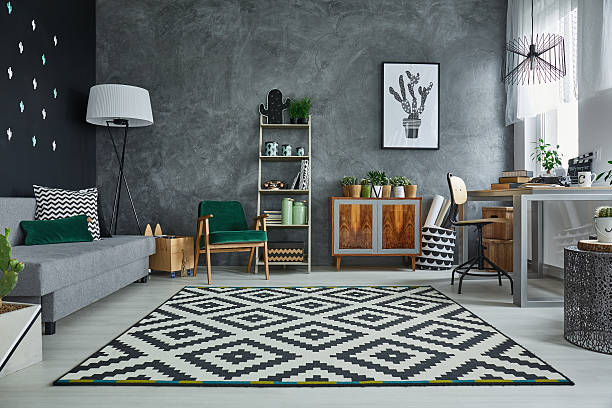
For interiors that need a distinctive feature, patterned carpets can become a central design element. Abstract shapes, geometric lines, botanical motifs, and contrasting borders can add personality to an otherwise simple room.
The key is to balance the pattern with the surrounding décor. If the carpet has a strong design, simpler furniture and restrained accessories can prevent the room from appearing visually crowded.
Offices, reception areas, meeting rooms, and other commercial interiors require carpet designs that combine appearance with practical performance.
Neutral colors and structured patterns can create a professional atmosphere, while carefully selected accent colors can help distinguish particular areas. For busy environments, durability, stain resistance, ease of maintenance, and appropriate installation should take priority alongside visual appeal.
Narrow hallways, curved spaces, and irregular room layouts can be difficult to accommodate with standard carpet dimensions. A custom carpet can be planned to follow the available floor area and create a more consistent appearance.
For hallways, elongated designs can emphasize the direction of the space. In irregular rooms, accurate measurements and carefully considered edge finishing help ensure that the carpet fits neatly without obstructing doors or creating trip hazards.
Color and pattern influence how a carpet interacts with the rest of the interior. The best choice depends on the desired atmosphere, room size, lighting, and existing furnishings.
Cream, ivory, pale gray, and soft beige can help a room feel bright and visually spacious. These colors work particularly well in smaller rooms or interiors with limited natural light.
However, lighter carpets may show dirt and stains more easily, making maintenance an important consideration in busy households.
Deep blue, charcoal, brown, and other darker shades can introduce contrast and create a grounded appearance. They may also be practical in certain high-use areas, although dust, lint, and some marks can remain visible depending on the material and finish.
Geometric designs can suit contemporary interiors, while floral or traditional motifs may complement more decorative settings. If the furniture already contains prominent patterns, a simpler carpet can help maintain visual balance.
Before finalizing a design, consider the carpet alongside the actual flooring, furniture, wall colors, and lighting rather than evaluating its color in isolation.
Material selection affects comfort, appearance, maintenance, and expected lifespan. The right option depends on the intended location and how frequently the carpet will be used.
Wool carpets are valued for their softness, resilience, and natural texture. They can be suitable for bedrooms and living areas where comfort and appearance are important. However, the purchase cost, cleaning requirements, and potential sensitivity to moisture should be considered.
Synthetic materials can offer practical options for households and commercial spaces. Depending on the fiber and construction, they may provide good resistance to wear and simplified maintenance.
Different synthetic fibers perform differently, so buyers should evaluate the product’s specifications instead of assuming that all synthetic carpets offer the same benefits.
Materials such as jute and sisal can introduce an organic texture into an interior. They are often considered for natural or minimalist design schemes. Their suitability depends on the location, moisture exposure, comfort requirements, and cleaning limitations.
See also: Career Coaching in Chicago: A Practical Guide to Building a Successful Career
A successful custom carpet begins with careful planning. Design preferences should be balanced with practical requirements to avoid costly mistakes.
Measure the length and width of the intended area and account for furniture placement, door openings, corners, and other architectural features. For irregular spaces, a simple floor plan can help communicate the required dimensions.
A carpet that is too small may make a seating arrangement appear disconnected, while an oversized carpet may interfere with doors or overwhelm the room. The ideal dimensions should suit the layout and create a deliberate relationship between furniture and flooring.
Consider how frequently the carpet will be cleaned and whether the room is exposed to spills, outdoor dirt, pets, or heavy foot traffic. A low-maintenance material may be preferable in a busy household, while a delicate decorative option may suit a less frequently used room.
The carpet should remain stable underfoot, particularly in hallways and areas where people walk frequently. Appropriate underlay or non-slip backing may help reduce movement. Professional installation can be useful for large carpets, fitted designs, and spaces with complex dimensions.
One common mistake is choosing a carpet based only on its appearance. A visually attractive design may not perform well if the material is unsuitable for the room’s usage.
Other mistakes include inaccurate measurements, selecting patterns that conflict with existing décor, overlooking cleaning requirements, and ignoring the direction in which doors open.
It is also important to consider the carpet’s texture and pile height. Deep piles can feel comfortable in certain rooms but may be harder to maintain in areas with heavy traffic or frequently moved furniture.
Requesting material samples, reviewing dimensions carefully, and checking maintenance recommendations before ordering can help reduce these risks.
Custom carpet design offers an effective way to improve the appearance, comfort, and functionality of different interior spaces. From understated living room designs and relaxing bedroom textures to durable commercial flooring and precisely fitted hallway carpets, the available possibilities can accommodate a wide range of decorating needs.
The best choice combines suitable dimensions, complementary colors, appropriate materials, and practical maintenance requirements. By considering how the room is used and how the carpet will interact with the surrounding décor, you can create a cohesive interior that feels comfortable, purposeful, and visually appealing for years to come.